GDPに連動する資産のリスクプロファイルを理解する
インフラは一般的に、景気減速期においても底堅いパフォーマンスを示してきました。独自のリスク管理手法と、ディフェンシブおよび景気循環型のサブセクターにわたる分散投資を通じて、投資家にとって下方リスクの軽減と、魅力的な長期的リスク調整後リターンを提供する可能性があります。
重要なポイント
• インフラは、過去の景気減速期にレジリエンスを発揮し、低成長・高インフレ期には伝統的な資産をアウトパフォームする可能性があります。
• 当社は独自の投資リスク管理およびポートフォリオ構築ツールを活用して、ファンド資産のそれぞれの収益源がGDPに連動するリスクにどう影響を受けやすいのかを分析し、エクスポージャーを分散しています。
• 公益事業などのインフラのサブセクターはディフェンシブな特性を持つことは十分に理解されていますが、有料道路、港湾および空港などの他のサブセクターは投資家にとって重要なダウンサイドプロテクションとより強固な長期的なリスク調整後リターンを提供する可能性があります。
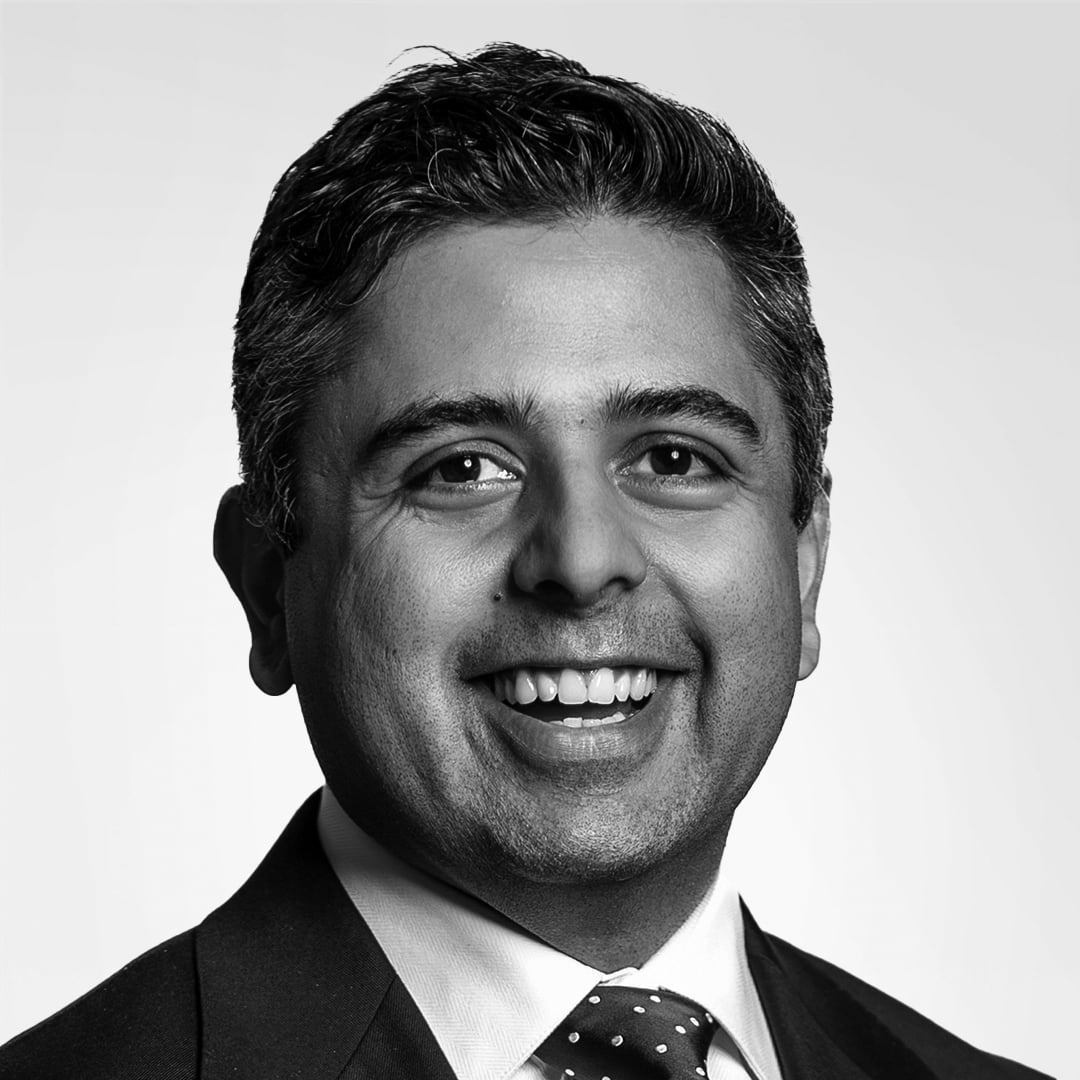
Ashwin Mathur
Ashwin Mathur heads up the Infrastructure Portfolio Management team at IFM Investors and is responsible for IFM’s Infrastructure portfolio construction framework.

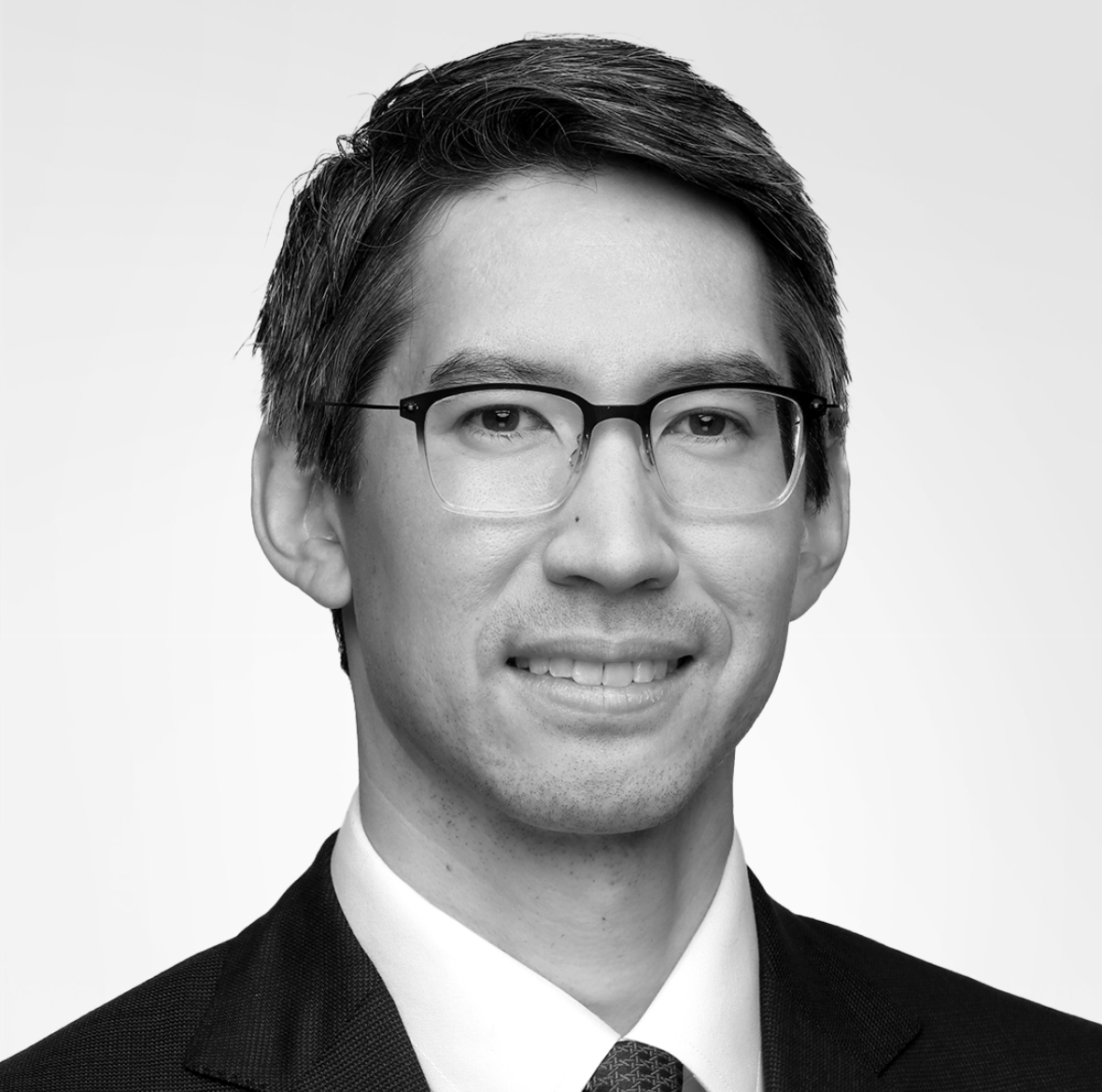
Kalie Fung
Kalie is a senior member of the Infrastructure Portfolio Management Team, responsible for a broad set of portfolio construction, risk management and fund analysis outcomes across all of IFM Investors’ infrastructure products as well as asset management of Port of Brisbane.
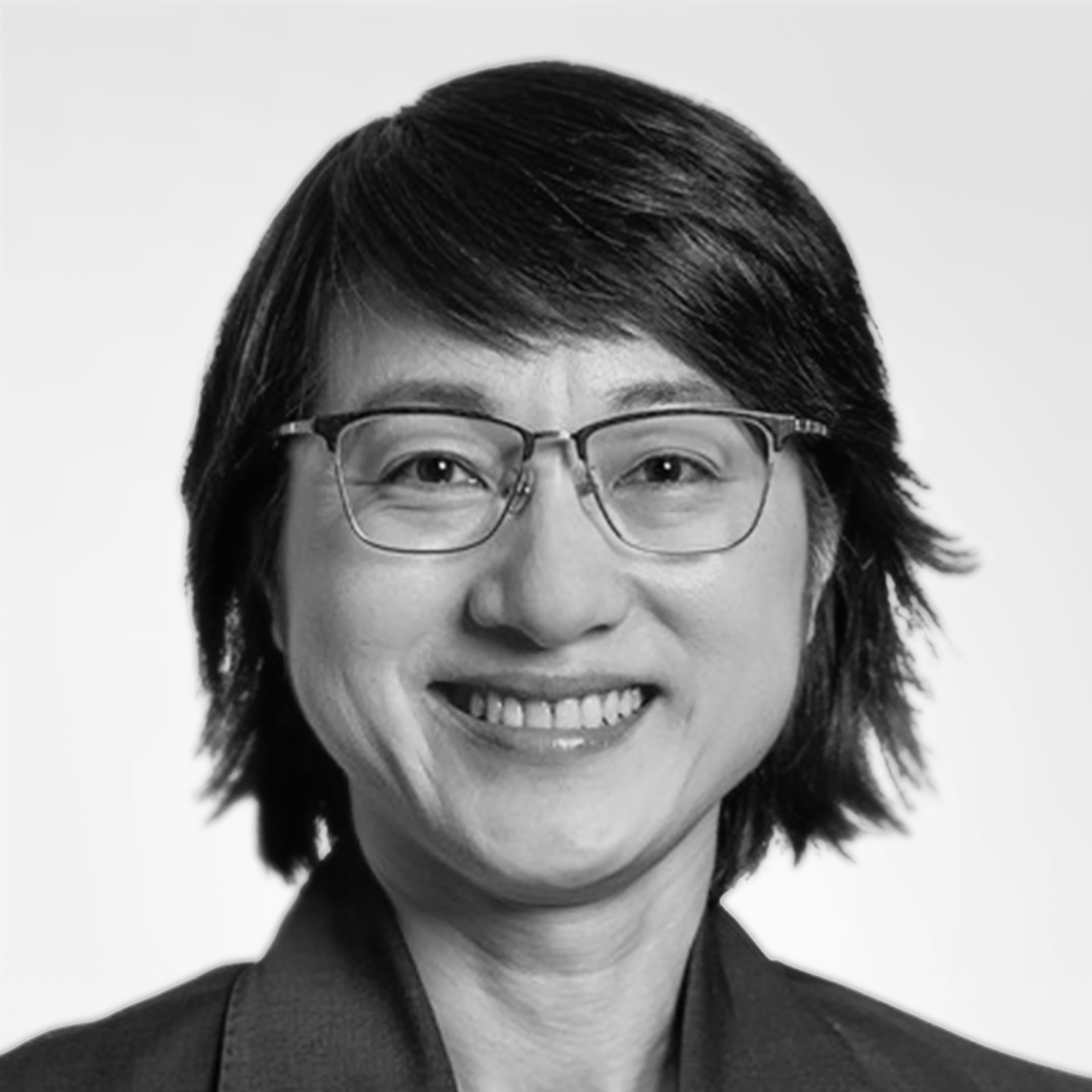
Abbie Sui
Abbie is a senior member of the Infrastructure Portfolio Management Team, responsible for a broad set of portfolio construction, risk management and fund analysis outcomes across all of IFM Investors’ infrastructure products as well as asset management of Adelaide Airport.
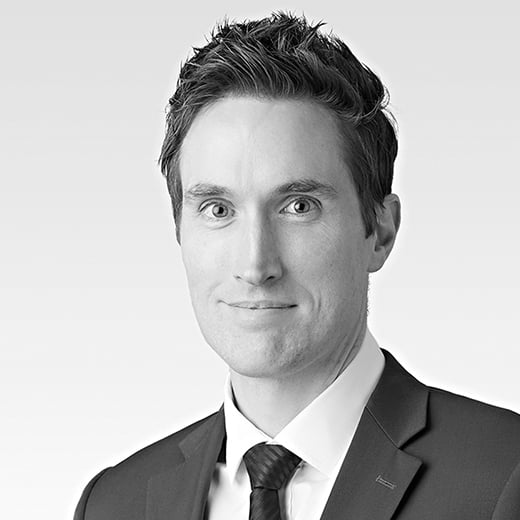
Aaron McGovern
Aaron is responsible for the origination of infrastructure investments and ongoing management of assets. Aaron has worked on transactions in the Americas, Europe and Australia in the transport, energy and utilities sectors. Aaron is currently a board member of Aleatica and Impala Terminals.
Related articles

Re-thinking inflation: A Regime-Based Framework for Australia


Beyond the runway: How airports manage through rising jet fuel prices



Macro-factors revisited: an evolving approach to portfolio resilience