Investor takeaways from today's volatile and rapidly shifting private markets environment

Key takeaways
- Investor expectations for infrastructure are rising sharply, even as return expectations in private equity and real estate moderate.
- Rising geopolitical tensions are creating new infrastructure trends - spanning energy security, defense, digital networks, and manufacturing - opening opportunities for long-term capital.
- Allocator demand is moving up the risk spectrum, with value add infrastructure increasingly attractive due to higher return targets and favorable middle-market valuations.
Institutional investors are reassessing how private markets fit into portfolio construction. To explore these changes, IFM Investors conducted its second annual survey of more than 700 institutional investors globally and inaugural webinars across our EMEA and APAC regions to examine what the results signal for the years ahead. Three key takeaways emerged as particularly instructive for investors navigating today’s environment, and the quotes and clips that follow bring those insights to life - highlighting how return expectations, regulation, geopolitics and megatrends are reshaping infrastructure allocations.
Takeaway 1: Infrastructure return expectations rise as private equity and real estate expectations moderate
Evolving views on private market returns
Andrea Mody, Executive Director, Head of North America, Clients & Strategy points out that PM700 research showed a decline around 270 basis points year-on-year for expectations of returns in private real estate, which is a big shift. And the beneficiary of that, fortunately for us, is the infrastructure side, where we saw allocation or expectations of returns on the infrastructure equity side go up by around 200 basis points.

Regulation is shaping allocation trends
Armit Bhambra, Executive Director, Head of EMEA, Clients & Strategy states that 63% of EMEA investors believe that the changing regulatory environment will increasingly favor allocations to infrastructure investing.
Higher base rates are raising the bar for private markets
Bhambra also discusses the demands on private markets to fill funding gaps, and for that illiquidity premier and for that complexity premier to be worth it for our clients.
The rising appeal of Infrastructure Debt in APAC
Hiran Wanigasekera, Executive Director, Co-Head of Australian Diversified Credit notes that investors are increasingly embracing infrastructure debt and private credit across the APAC region for infrastructure debt. The appeal really comes down to the ability to combine resilience and structural diversification and alignment with the global mega trends.
Takeaway 2: Geopolitical tensions and economic nationalism are driving new infrastructure needs and opening opportunities for long‑term capital
Public-private boundaries are shifting
Ryan Weldon, Investment Director, Debt Investments states that investors believe that there is a bit of a narrowing in the historical divide that we've seen between public and private investments, which means that governments are really going to have to rely on that private capital to fund a lot of the investment.
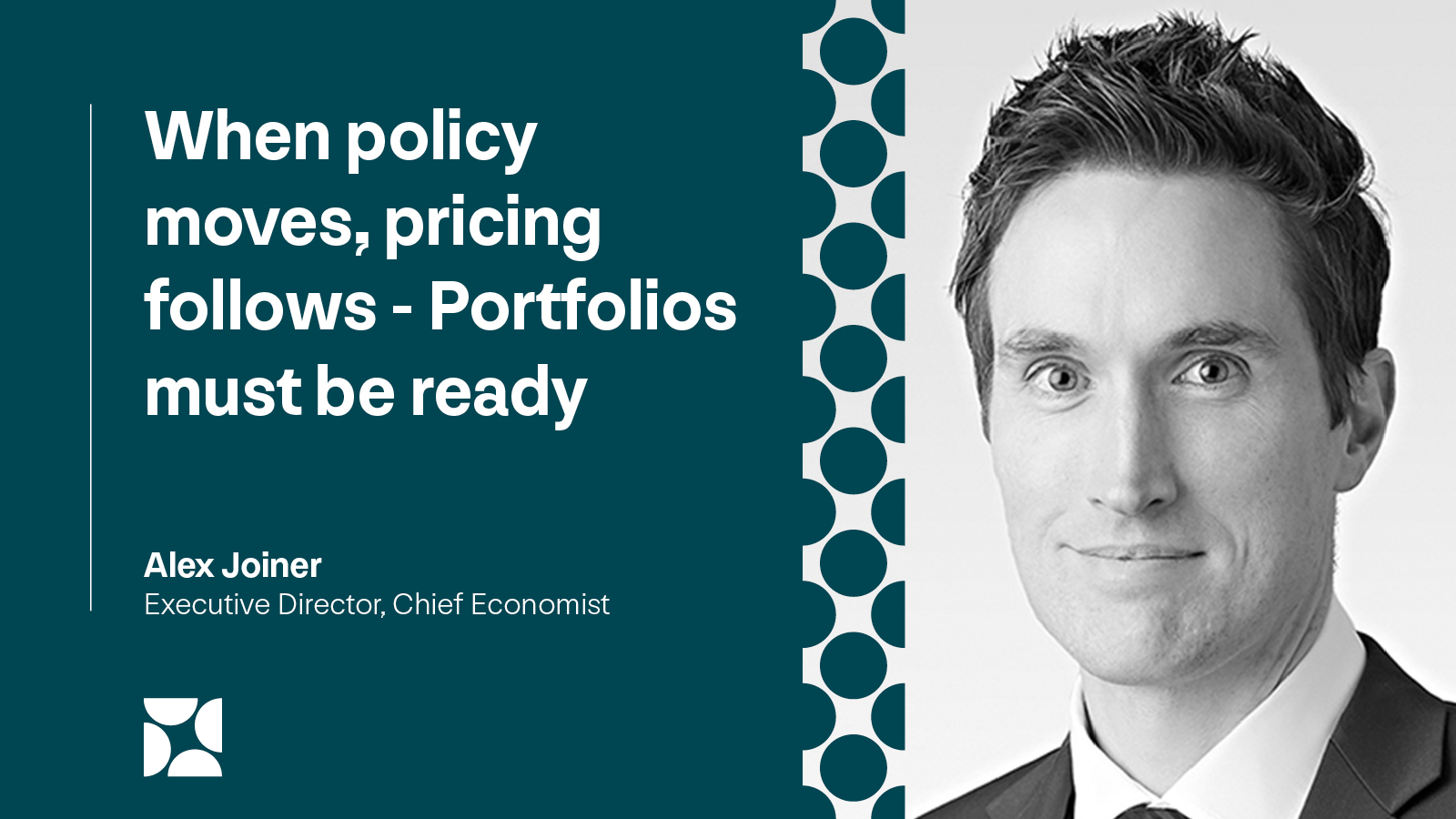
When policy moves, pricing follows - Portfolios must be ready
Alex Joiner, Executive Director, Chief Economist explains that a key investor takeaway is that policy volatility can quickly become pricing volatility, and portfolios need buffers against that uncertainty.
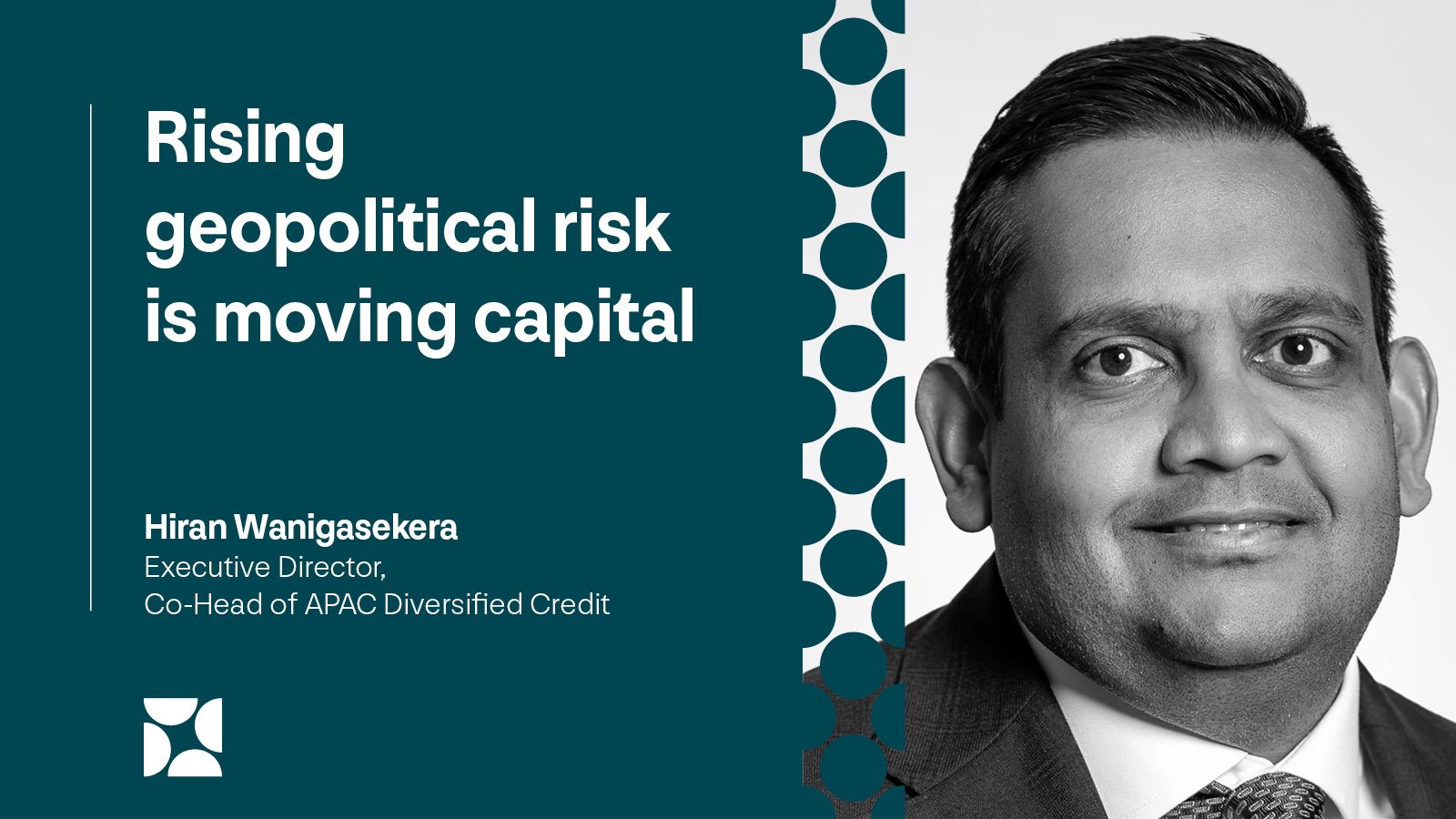
Rising geopolitical risk is moving capital
Watch Wanigasekera on how the rising risk of geopolitics related issues are actually driving investors to think about more broadly around where they're allocating capital to.
Takeaway 3: Allocator demand is rising for value add infrastructure, supported by higher return targets and attractive mid‑market valuations
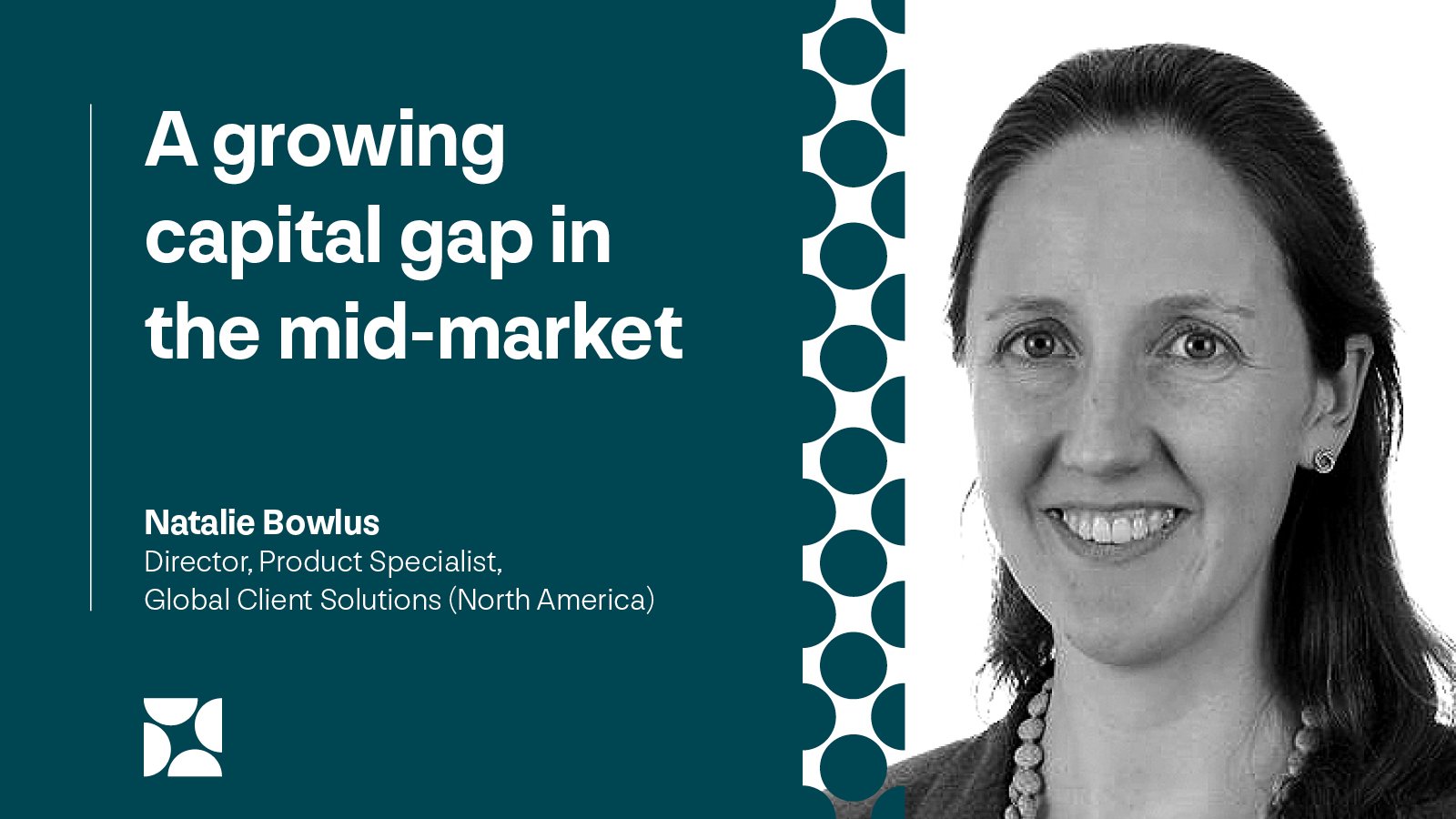
A growing capital gap in the mid-market
Natalie Bowlus, Director - Product Specialist - Infrastructure Equity Investments gives insights into why we're particularly seeing a gap in the middle market where you have an enormous amount of capital required which far exceeds the amount of capital that is actually available.
Related articles

Observations and Opportunities in Private Credit


Fed Wrap - Fed holds rate but highlights growing uncertainties


Off the record, on the road: Our CSO’s latest private markets insights